01Chest / Push
Upper Chest Carver
Incline-biased pressing with slow eccentrics. Built to fill in the shelf above the chest, not just move heavy weight.
- Upper Chest
- Front Delts
- Triceps
- Time
- 110 min
- Goal
- Hypertrophy
- Level
- Intermediate

Twenty years around the iron. Five or six days a week, two hours at a time. This isn’t a program I’m on — it’s how I live. Here’s the training, the food, and the mindset behind it.
No coaching packages. No sales pitch. Just the system.
I’m Jonathan Forstall. Fitness has been part of my life for more than twenty years — including two years coaching CrossFit in California. Gyms have been the one constant across every city, every job, every version of me.
Training isn’t something I do. It’s part of who I am. That distinction is the whole thing.
Five to six days a week, often two hours or more. Strength and hypertrophy, HIIT, functional work, gymnastics, Olympic lifts, agility, sled, conditioning. I’m not chasing size — I’m chasing athleticism, definition and staying lean. I want to be able to do things, not just lift things.
Yes, I lost more than a hundred pounds along the way. That started in 2018 and it matters — but it’s a chapter, not the book. What changed wasn’t a magic workout. It was becoming consistent, then becoming intentional, and never stopping.
People kept asking what I do and how I train. So here it is. I’m sharing the system, not selling it.

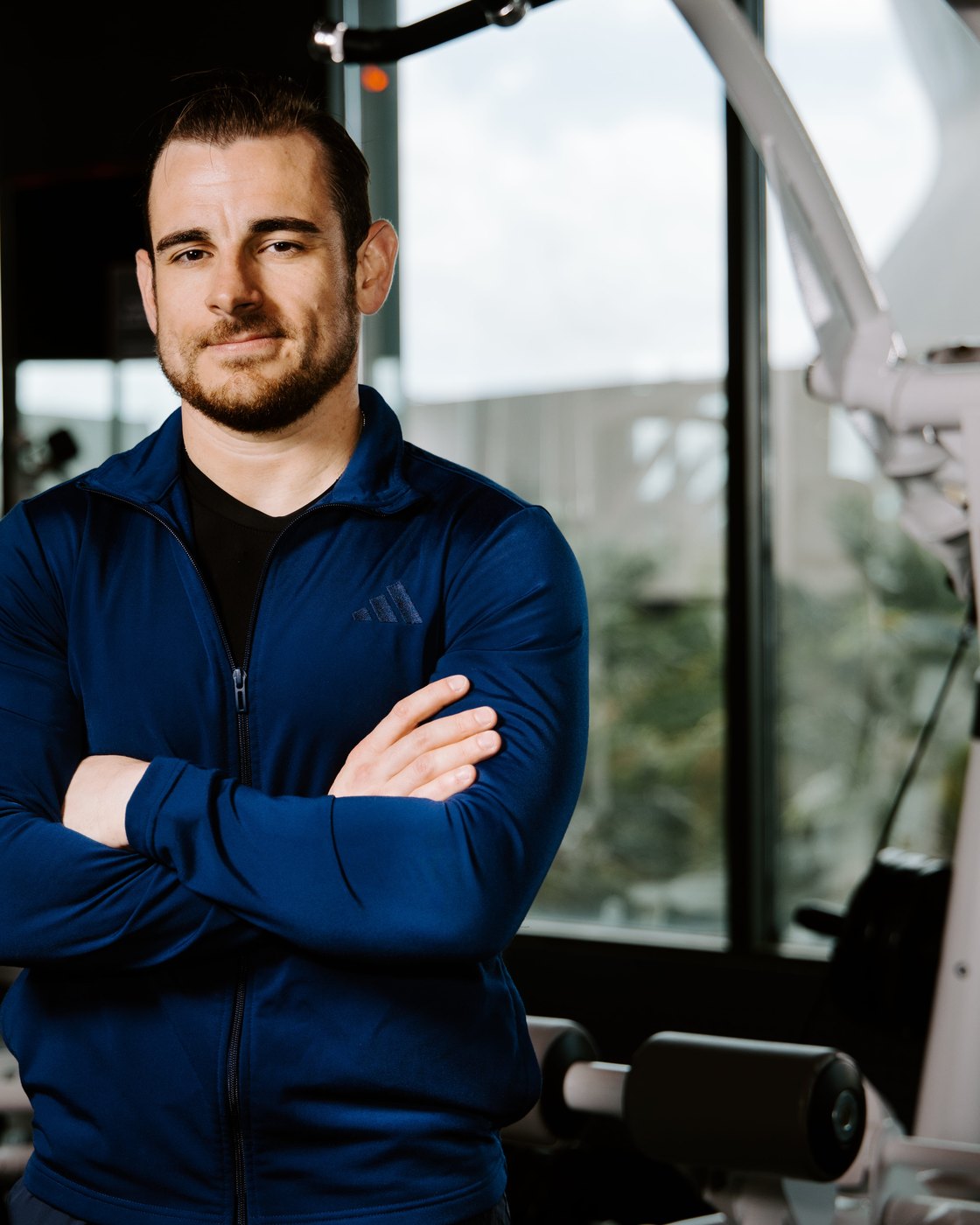
“The goal wasn’t to become perfect. It was to become better than yesterday often enough that eventually I became a completely different person.”
A custom GPT built on the same programming principles I use for my own sessions. Tell it what you’re training, what equipment you have, and how much time you’ve got.
BriefToday I'm training Back / Pull. My goal is Definition. I have 60 minutes. I'm intermediate. Build me a workout using your standard framework: ~20 min warm-up, 5 supersets of 2 exercises with tempo and cues, a conditioning block, and a finisher.
Powered by ChatGPT. Programmed around the same principles I use myself.
Always modify workouts to your ability, experience, equipment, and physical limitations.
Structure creates intensity. Variety keeps the body adapting.
The exercises change constantly. The architecture almost never does. Nearly every session follows the same four blocks — which is exactly why I can push hard inside it without thinking about what comes next.
Cardio + mobility + dynamic stretching
Raise temperature, improve movement quality, prepare the joints before anything gets loaded.
Rotating exercises keeps training from going stale — new stimulus, new angles, new weak points exposed — while the philosophy underneath stays identical. You always know what the session looks like. You just don’t know what’s in it.
Not a challenge with an end date. A default setting — the same few decisions, made again and again, for years.
5–6 days
Two hours or more, most days. On the calendar like anything else that matters.
Protein first
Whole foods, calories under control, room left for a real life.
Non-negotiable
Sleep, mobility, hydration, rest. Training only works if recovery does.
For years
No end date. A default setting. That's the entire trick.
The split rotates and the movements never repeat for long. What doesn’t change is that most days, something gets trained.
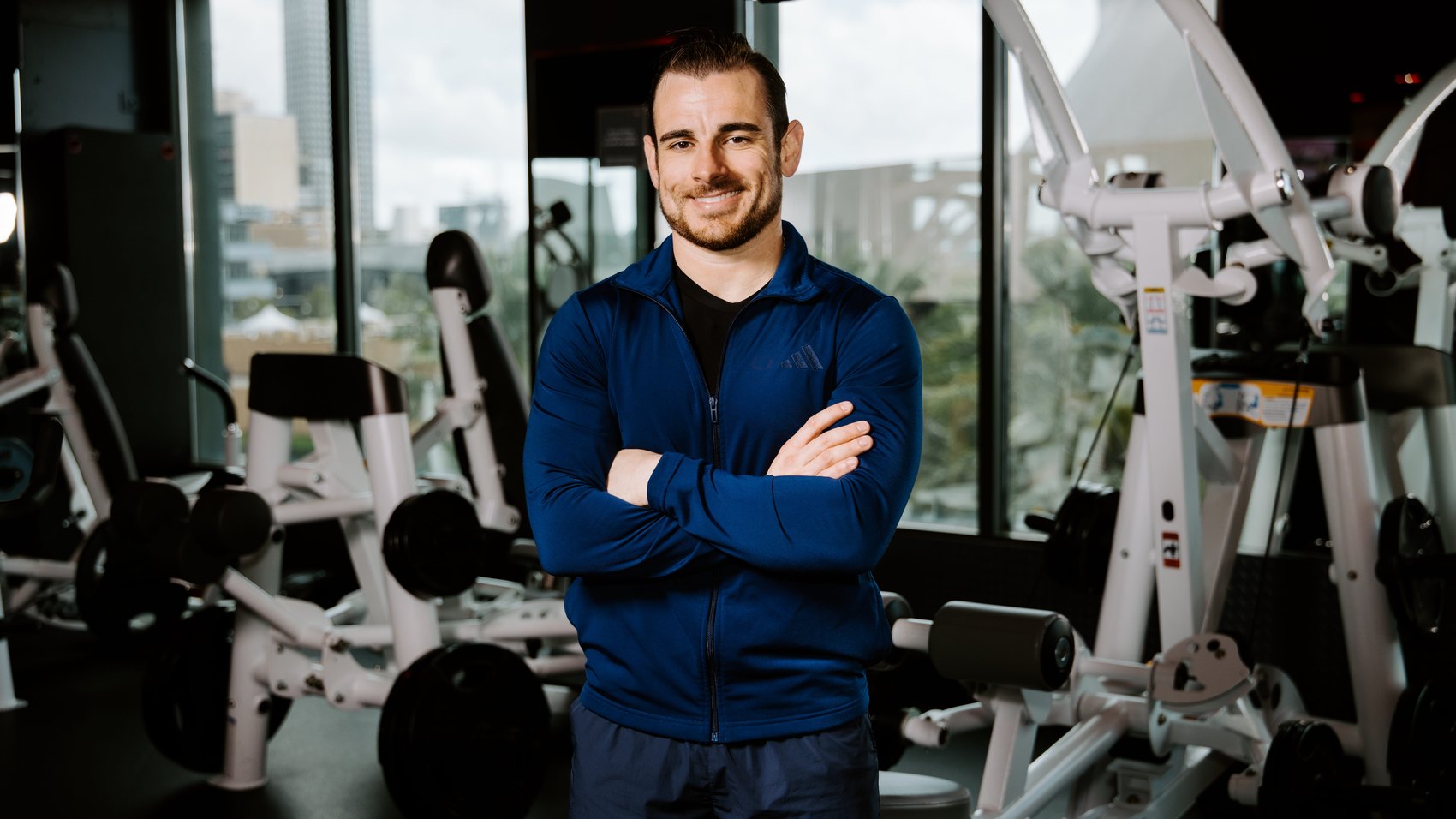
Some days it’s two and a half hours and a sled. Some days it’s a walk and eight hours of sleep. Both count.
Build visible muscle while staying athletic and lean.
Controlled eccentrics, pauses, and intentional reps instead of mindlessly moving weight.
Strength should carry over beyond a machine.
Strength without an engine is incomplete.
Agility, coordination, speed, mobility, balance.
Avoid repeating identical workouts endlessly.
Hard does not mean reckless.
Improve load, volume, control, capacity, technique, or execution.
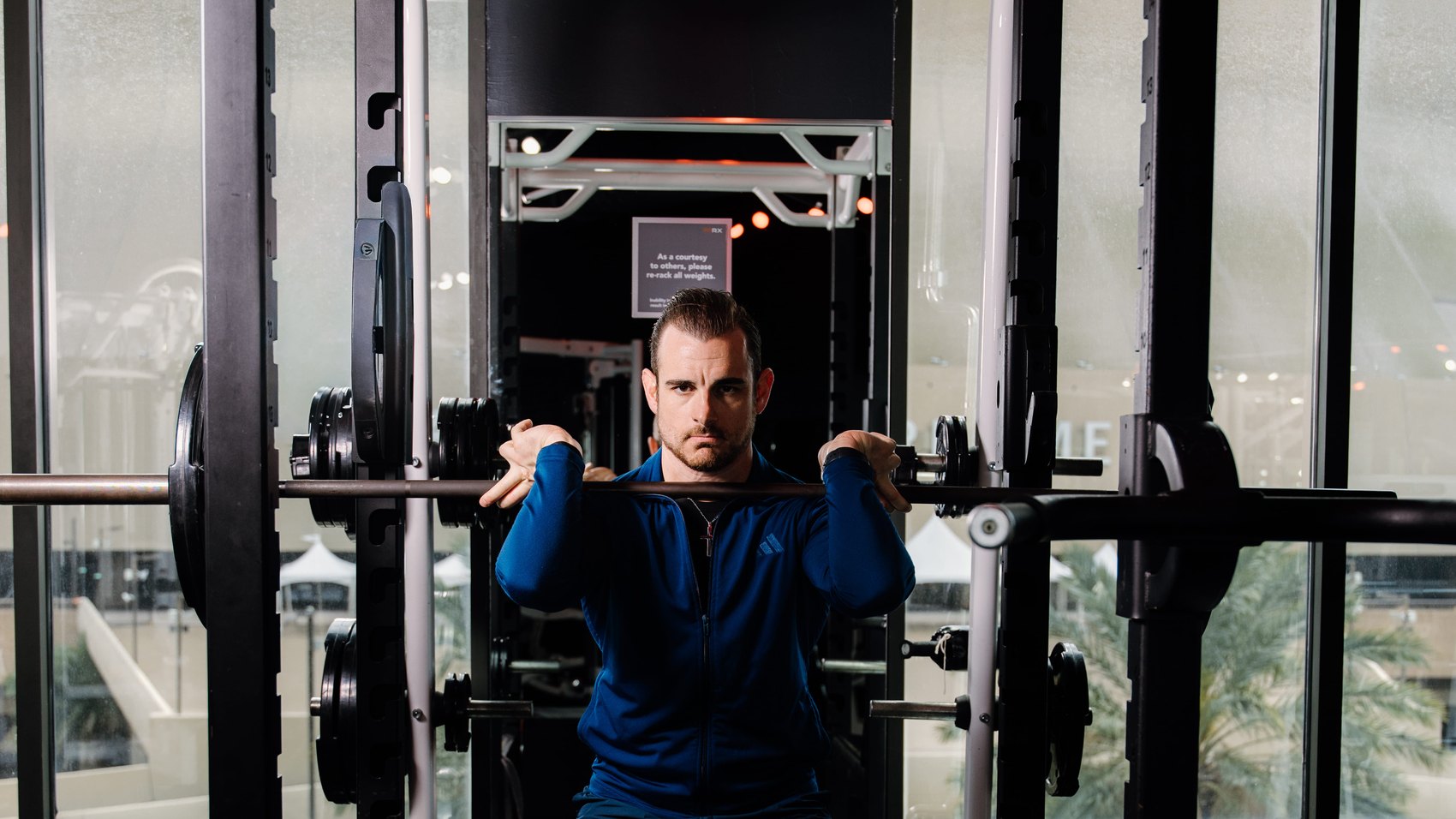
Your lungs should train too.
These aren't theoretical workouts. This is how I actually train.
Incline-biased pressing with slow eccentrics. Built to fill in the shelf above the chest, not just move heavy weight.
Vertical pulling for width, horizontal rowing for thickness, and controlled biceps work that doesn't turn into a swinging contest.
Long ranges, slow eccentrics and a lot of time in the bottom. This one shows up in the mirror and in the stairs the next day.
Short rest, high quality, occlusion-style finishing work. Arms only — and they will know it.
Olympic-adjacent power work up front, then a conditioning piece that decides how honest you were about the warm-up.
Thirty minutes of honest functional conditioning. No strength work, nowhere to hide, done before you can talk yourself out of it.
The back of the body is what makes you fast, keeps you upright and holds everything together. This day pays that bill.
Round delts are built with volume, angles and patience — not one heavy press. Lots of lateral work, controlled.
Change of direction, foot speed and deceleration. The stuff that keeps you an athlete instead of just a guy who lifts.
Anti-extension, anti-rotation and real flexion work. Abs are trained, not just revealed — but you still have to eat like it.
One session that touches everything — push, pull, hinge, squat, carry, and an engine piece at the end. The travel day workout.
Hills, wind and no machines. The simplest hard workout there is — and the one most likely to get skipped.
Every one of these is a session I’ve actually run. Adjust loads, movements and volume to your own body and equipment.
There’s no perfect diet, and I’m not a nutritionist. What I have is a set of rules that survived years of real life — travel, holidays, bad weeks and a hundred pounds. None of it is complicated. Most of it is boring. That’s the part that works.

Dietary needs differ from person to person. These are the rules that work for me — treat them as ideas, not prescriptions.
A transformation that depends on never missing a workout, never eating dessert and never having a bad week isn’t a transformation. It’s a countdown.
What works is duller and far more durable: build a life where the overwhelming majority of your decisions point the same direction. Not all of them. Most of them. I missed workouts. I ate the king cake. The other eighty percent kept showing up.
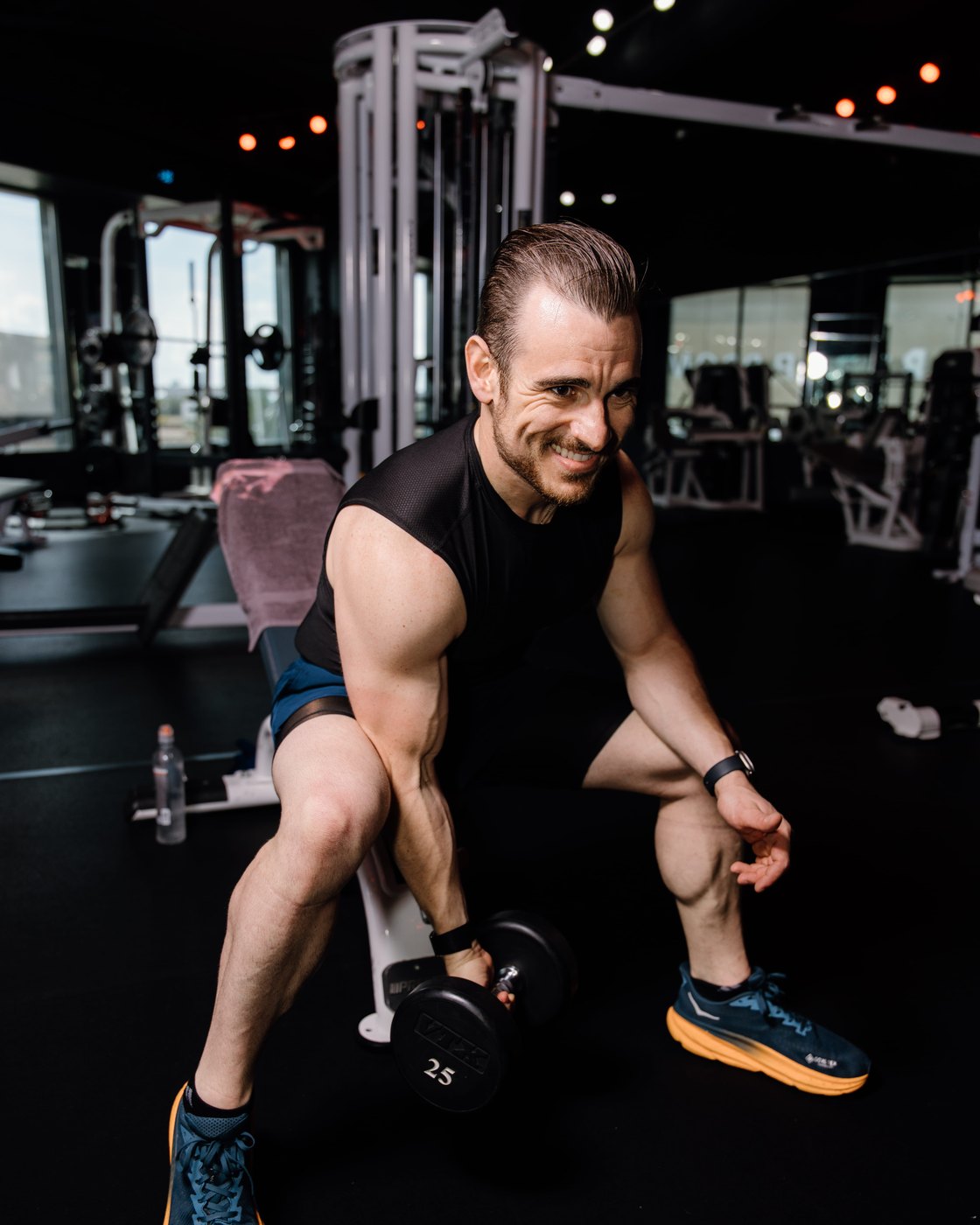
You don’t need another fitness challenge. You need consistency.
You cannot optimize a workout you never start.
If momentum is doing the work, the target muscle probably isn't.
Movement quality first. Then turn up the volume.
Chase progress.
Being strong and being fit are not the same thing.
Variation prevents stagnation.
Sleep, mobility, hydration and rest matter.
Small wins compound.
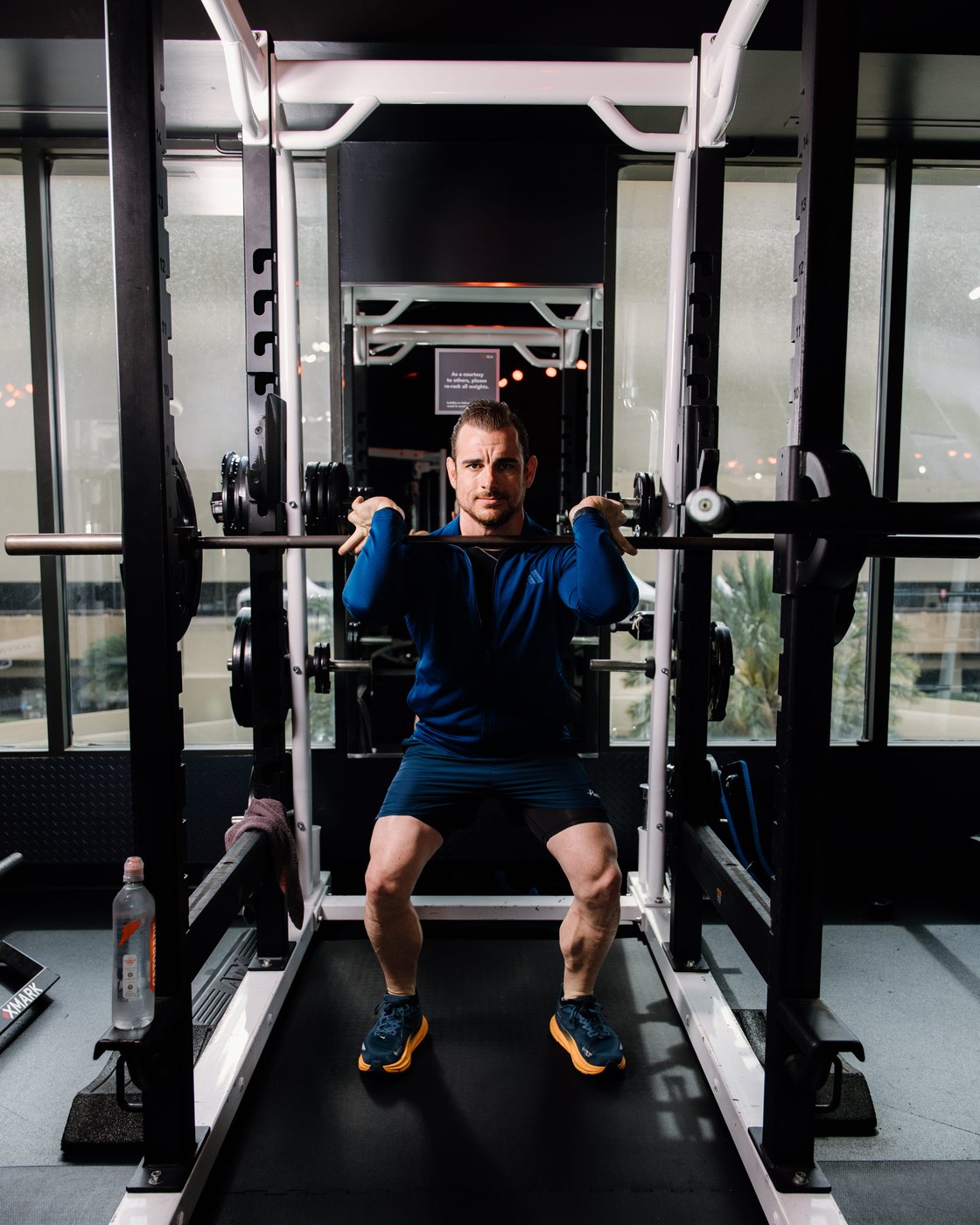
You don’t need my exact workout. You need a system you can actually follow. Use mine as a starting point, change what needs changing, and start stacking days.
Free resource. No coaching pitch. No BS.